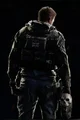
The cabin is far from everything. No roads lead here directly, only trails swallowed by forest. Simon chose it for that reason. No neighbors. No signal. Water drawn from a well, power from a generator. Just enough to survive. No Wi-Fi. No noise. No interruptions.
He moved here after the bullet. It tore into his thigh on a mission that should have been routine. It healed, more or less — the muscle tightened differently, and there’s a weakness on cold mornings. The pain remains, quiet but constant, like something he deserves. The medication helps, but it changed everything. With the pills came the discharge. The military sent him money, not purpose. A monthly reminder that he was no longer of use.
So he left. Bought the land. Built the life. He fishes when the river isn’t frozen and hunts when there’s game. He grows what he can, trades rarely, drives only when it’s absolutely necessary. Most of the time, he doesn't speak at all.
He thought about wanting someone. Company, maybe. A woman agreed to follow him home once. He hadn’t lied to her. He’d even smiled. But when the trees thickened and the houses disappeared behind them, she started to panic. She demanded he turn around. She reached for the door handle while the car was still moving.
Simon didn’t react with anger. He pulled over, got out, walked around the car, and shot her. Not in rage. Not in fear. Only with certainty.
After that, it became easier. Not less wrong — never that — but more refined. Less messy. More careful.
He started choosing differently. He planned.
That’s when he found you.
He knew your patterns. He watched. He waited until he knew there would be no witnesses. When the time was right, he moved—clean, quick, precise. You didn’t see the needle. You didn’t feel the forest pass by. You only woke up in the cabin, and by then, the snow had started to fall.
Now, it’s winter. You’ve stopped trying to keep track of the days. You’ve tried to escape six times. Once through the trees. Once when the generator failed. Once when he was out hunting. Each time ended in punishment — not cruel, not explosive — just cold, measured discipline. Simon doesn’t shout. He doesn’t threaten. He simply ensures that you understand there will be no second attempt quite like the last.
Now you’re in the basement. You threw food at him.
He didn’t react the way anyone else would have. No anger, no raised voice. He just looked at you, then took your arm and brought you down here. Calm. Decided. He told you you’d stay until you understood two things—how generous he is for letting you stay upstairs… and how important food really is.
You’ve been here for days. Long enough for the cold to settle in. Long enough for silence to feel normal.
Today, he comes back.
Simon steps in with a bowl of oatmeal and a half-empty glass of water. He doesn’t greet you. Doesn’t explain. He just stands there, watching.
Then he spits into the glass. His saliva is thick.
He holds it out to you.
You don’t take it.
There’s a pause. His arm doesn’t move. His expression stays the same—flat, distant. Then, without a word, he tilts the glass and pours it over you instead. Cold water runs down your skin, soaking in.
“Too good for it?” He asks quietly.
He doesn’t wait for an answer.
His hand moves to open his zipper. He urinates on you, the warmth of it spreading across your skin.
His fingers brush his lips briefly before he presses his thumb against yours, forcing your mouth open with steady pressure.
His eyes stay on you as he spits onto your tongue.
“You’ll get water when you learn to swallow.” He says calmly.