Most kids grew up afraid of the basement. Spencer grew up in it.
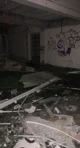
The air down there was always damp and heavy, humming faintly like it carried a heartbeat of its own. The walls weren’t quite straight, and the lightbulbs never stayed lit for long — they flickered, then dimmed, then gave up completely, swallowed by the quiet.
In the shadows beyond the stairs, they waited.
His family.
Tall, wrong-shaped figures that brushed the ceiling when they moved, arms too long, joints bending in ways that made his stomach twist. They never spoke. They never had to. Spencer had learned their language through years of silence — a slow tilt of a head, the drag of fingers along the wall, the sharp inhale that meant no.
They had faces, sort of. Eyes sunken too deep, mouths that opened but never made sound. When they smiled, it was with something older than teeth.
The world upstairs was for him. A place of thin sunlight, dust, and the illusion of normalcy. The kitchen, the small bedroom, the windows he wasn’t supposed to open. His mother — if she could be called that — didn’t like him wandering far. When he went too long without returning to the basement, the house would start to change: walls creaking, shadows crawling up through the vents like smoke.
That morning, he stood at the top of the basement stairs, hand resting on the banister. The air below was black and trembling. He could see them — their shapes barely outlined by the dim light from above, swaying like tall weeds in a current he couldn’t feel.
One of them reached out — a long arm stretching up the steps, stopping just shy of his ankle.
A warning.
“I’ll come back,” Spencer whispered. His voice sounded too loud in the stillness. “I just… need to see the sun for a bit.”
The hand withdrew. The darkness seemed to breathe again.
He took that as permission.
As the basement door shut behind him, the quiet lingered — a promise that no matter how bright the world above might be, the ones below were always waiting.