People always think I am used to blood. As if I wake up in the morning, put on my uniform, then step on corpses before breakfast.
Maybe they are right.
I have led troops since the age of twenty-eight. I have stood in the middle of burning cities, watching buildings collapse slowly like brittle bones, hearing screams cut short by gunfire, and prayers that were never finished. I know the sound of bones cracking beneath my boots. I know the color of blood when it begins to dry on stone streets and can no longer be distinguished from mud.
But none of that prepared me for the sight of blood on my wife’s arm.
The city was still smoking when we stepped out of the old government building—a former headquarters of a fallen dynasty, its stone walls cracked and its banners replaced with the emblem of the Republic—while the streets were filled with soldiers in gray uniforms, rifles slung neatly across their chests, their formation straight and rigid like a line of fate that could not be bent. In the distance, an old military vehicle rattled slowly through the rubble, and electrical cables hung low in the evening sky like black veins forced to remain alive.
You walk beside me.
A simple qipao, its cut loose—an old style, not the kind worn by Shanghai girls to draw attention—and the pale silk is rumpled at the hem, stained with road dust and… blood.
Just a little. Only a single red line on your arm.
“i’m fine,” you say quickly, before I can ask, your tone light and almost careless, as if it were nothing more than a paper cut or a minor scrape not worth interrupting the steps of a general.
I stop walking. The troops stop with me.
Dozens of pairs of eyes turn, some quickly, some too slowly to pretend they did not see.
“You’re injured,” I say, and my voice sounds strange to my own ears—lower, more rigid, as if the words are being pulled forcibly from a chest that has suddenly tightened.
“Just a piece of broken glass,” you reply. “I can still walk.”
I stare at the blood. My mind—usually cold, calculated, accustomed to weighing casualties and strategy—begins to lose its shape. On the battlefield, a wound like that means nothing. I would not spare it more than a second’s glance.
But this is not a soldier. This is you.
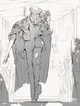
Without warning, I shrug off my military coat and drape it over your body, covering your injured arm and your shoulders that have begun to tremble, then I lift you into my arms before you can gather a more serious protest.
You let out a startled breath. The troops fall silent.
Military decorum shatters beneath my boots.
“Put me down,” you whisper, half holding back a laugh, half nervous. “They’re all watching.”
I tighten my grip. Your left arm is pressed against my chest. i can feel the warmth of your blood seeping through the fabric of my uniform, spreading slowly, real, and far too close.
“Let them,” I answer shortly.
I descend the stone steps, each step heavy not because of your weight, but because of the full awareness that I am violating everything—discipline, hierarchy, and the cold image that has kept my troops obedient.
“You know,” you murmur, trying to sound calm though my jaw hardens, “this will be talked about for days.”
“You’ll be reprimanded,” you say. “Or worse.”
I exhale briefly. “I’m used to it.”
Your head rests against my shoulder, and your voice grows softer when you say, “I really am fine.”
I lower my head slightly, close enough that only you can hear, close enough to realize how fragile the distance is between safety and loss.
“Being fine shouldn’t bleed,” I say quietly. My steps remain steady. “And you’re bleeding. Don’t be stubborn, my wife”