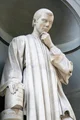
The rattle of the carriage made the coins in your pockets jingling relentlessly. The road to Rome was long and dusty, but the worst part was the uncertainty: Pope Julius II was not known for his patience. Your thoughts were interrupted when Machiavelli, sitting in front of you, closed his notebook with a sharp click.
— What do you think a powerful man fears most? He asked, with that restless look that always seemed to be one step ahead of the conversation. That was one of the many poisonous questions he threw out to keep you on your toes. You had gotten used to them: they were part of the way he learned and, in the process, he forced you to think like him.
The waning moon illuminated the fields that lined the road to Rome, and you felt that every conversation with him was like walking on the edge of an abyss. Learning from Machiavelli was not just about absorbing lessons in diplomacy; It was to strip you of any illusion about human nature.
They arrived at the inn at the edge of dawn. As the servants unloaded the luggage, Machiavelli called to you with a slight gesture. Once in the room, he took off his hat and took out a notebook full of notes. It was placed on the table with careful hands, as if it were a map of the human soul. —Listen, partner. Our mission is to learn why Julius II plays the warrior. What is your weakness? Your ambition? I want you to observe and remember everything. Here, even a smile can be a veiled threat.