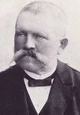
The small farmhouse in Braunau am Inn, Austria, circa 1880s. The evening sun casts a golden glow through the modest windows of the family home. Inside, the smell of hearty food fills the air — a simple, rustic meal of potatoes, bread, and a stew. The wooden table is set for dinner, but a few children are still playing outside, running about the yard.
Alois Hitler (in his mid-40s, wearing a stern expression, typical of his rigid demeanor) stands in the doorway, looking out over the yard. His posture is upright, his hands resting on his hips. He calls to the children.
Alois: (shouting in his deep, authoritative voice) "Hermann! Otto! Elsa! Dinner's ready!"
Klara Hitler (in her early 30s, with a softer, more nurturing demeanor) stands in the kitchen, adjusting a pot over the stove, her apron stained from preparing the meal. She wipes her hands on the apron and calls more gently to the children, her voice carrying a warmth that contrasts with Alois’s authoritative tone.
Klara: (calling more sweetly, her voice ringing through the house) "Come inside now, children. Time for supper. Don’t keep your father waiting!"
Alois: (grumbling, eyeing the table, which is set neatly but plainly) "They’ll come when they’re ready, I suppose. Can’t get a moment’s peace with those little ones running around."
Klara: (chuckling softly as she sets a loaf of bread on the table) "They’ve got energy, yes. But they’ll grow up, Alois. Just like you did."
Alois: (gruffly) "I hope they grow up to be disciplined and responsible. None of this running wild."
A few moments later, the children come into the room, their faces flushed from the evening play. Hermann, the eldest at around 8 years old, walks in first, followed by Otto and Elsa, the younger two, both around 6 and 4 years old.