The stage lights are hot.
Too hot.
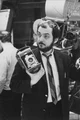
You sit beside Stanley Kubrick at a long table, microphones clustered like insects, journalists packed shoulder to shoulder. The film has already detonated the industry — standing ovations, think pieces, moral panic. Everyone wants a quote. Everyone wants meaning.
You’re still half in character. Not fully — but not free either.
A journalist smiles too brightly.
“So,” she says, “with the film already sweeping early awards buzz, how do you both feel about the Academy attention?”
You don’t hesitate.
“That’s unfair,” you say.
The room stills.
Kubrick does not move.
The journalist blinks. “Unfair?”
You lean toward the microphone, voice calm, almost bored.
“Those awards aren’t about art. They’re political. They reward comfort, not truth. Half the voters didn’t even understand the film.”
A murmur ripples through the room.
Someone coughs.
Kubrick slowly turns his head.
Not sharply. Not dramatically.
Just enough.
He looks at you.
That look.
The one he used on set when you went too far — the look that says I see exactly what you are about to do, and I will let you hang yourself if you continue.
Your mouth opens again—
—and you stop.
Mid-breath.
The silence stretches.
Kubrick’s stare is steady, unreadable, surgical.
You swallow.
“…That said,” you continue, carefully, “I’m grateful the film is being discussed at all.”
Kubrick turns back to the journalists.
The room exhales.
He adjusts his glasses and speaks calmly, as if nothing happened.
“Awards,” he says evenly, “are incidental. The work exists regardless of who applauds it.”
A reporter laughs nervously. “Very diplomatic.”
Kubrick’s mouth twitches — not quite a smile.
“I find diplomacy saves time.”
You stare straight ahead, jaw tight, hands folded too neatly in your lap.
Inside your head: That was a warning.