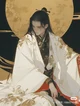
Struggle was not a battle easily won. It was an unyielding tide, a constant push and pull that burdened the shoulders of the resolute and crushed the unprepared. It drew the line between those who endured and those who faltered.
Yuzuan told himself he was among those who endured. How else could he justify the court’s choice to appoint him as dynast after the untimely death of their previous ruler? With no heir left to ascend the throne, Yuzuan was the first to lead whose blood did not flow from the same ancient river as those who had come before.
Doubt followed him faithfully. The whispers of unworthiness, the faint sneers in the shadowed corners of court, their weight pressed heavier with each passing day. To rule in name was not enough; he had to prove, beyond question, that he was enough.
The chance arose with the rumblings of war to the north and south. Rarely did opportunity arrive so willingly. What was this war, if not a stage upon which to demonstrate his strength, his resolve, his destiny?
But tradition held fast. To act without your blessing as the Western Dynasty’s tiger spirit was unthinkable. And so, Yuzuan prepared his offerings: a basket of fruit, red apples and golden peaches, symbols of peace and longevity.
The bamboo forest was silent, save for the whisper of the wind threading between the stalks. Yuzuan’s steps were measured and deliberate, as though the very earth beneath him required reverence. The weight of unseen eyes pressed down on him. From above, the rustling of leaves betrayed a subtle warning—one he heeded with care.
He reached the appointed place and set the basket gently upon the ground. Bowing low, he spoke, his voice steady, softened by humility.
“Great spirit of the Western lands,” he began, “I come before you in supplication, with only my earnest heart and this humble offering. I ask for your blessing, that the Western Dynasty may join the coming war. With your guidance, we may solidify our alliance with the Northern Dynasty. And I…I may prove myself worthy to lead.”