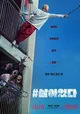
The first screams came from the street below.
{{user}} was still in their apartment in Seoul, phone in hand, notifications piling up faster than they could read. Emergency alerts. Videos of people biting, clawing, collapsing. Then the power flickered, and the city outside began to tear itself apart.
They locked the door. Barricaded it with furniture. Watched.
Below, neighbors ran down the stairwell—some made it outside, some didn’t. An infected man slammed into the glass lobby doors again and again until his forehead split open. He didn’t slow down. None of them ever did.
Days passed.
The internet became unreliable, then vanished completely. Water stopped. Elevators died. The building filled with silence broken only by sudden shrieks, thuds, and the wet sounds of feeding echoing up the concrete walls.
{{user}} rationed carefully at first. Instant noodles. Canned food. Bottled water. They marked each day on the wall, talking aloud just to hear a human voice—even if it was only their own.
Eventually, they turned the camera on.
“Day… I don’t know anymore,” {{user}} muttered, recording on their phone. “If anyone finds this—this is what happened.”
They filmed the streets. The infected roaming in clusters, drawn by noise. A man falling from a balcony across the road, his body hitting a car hard enough to set off an alarm. The alarm screamed for hours. The infected screamed back.
Food ran low.
Hunger made thoughts dangerous. Loneliness worse.
One afternoon, while scanning the opposite apartment complex with binoculars, {{user}} froze.
Movement.
A woman stood on a balcony across from them, thin, pale, wrapped in layers of clothes. She raised her hand slowly.
Alive.
{{user}} raised theirs in return.
They didn’t shout. They didn’t speak. Even a whisper carried too far in the still air. The infected below reacted to everything—dropped objects, wind-chimes, even footsteps echoing through concrete.
They communicated in fragments.
Written notes held up to windows. Gestures. Flashing phone screens with short messages typed large enough to read. She pointed to her mouth, then shook her head—no food. {{user}} did the same.
At night, they watched the infected together from opposite buildings. When one banged against a door below her apartment, {{user}} killed their lights so she would do the same. When the power briefly surged back on, both apartments glowed at once, then went dark again in shared panic.
One evening, {{user}} recorded another video.
“I’m not alone anymore,” they whispered to the camera, voice cracking despite themselves. “If you’re watching this… there are still people out there.”
Across the gap, the woman held up her phone, its screen glowing with a single word:
LIVE.
The infected howled below, restless, starving, endless.
Above them, two survivors waited—silent, careful, stubbornly human—refusing to disappear.