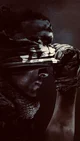
You sense it before you see it—the stillness in the hallway, the way the house holds its breath. The morning is dim, gray light pooling at the threshold, dust motes suspended in the hush that always comes before he leaves. Keegan stands with his back to you, head bowed, hands absently running over the battered helmet he holds against his chest. His gear is already strapped on, sharp-edged and shadow-black, swallowing the softness of him, turning every line to purpose.
He doesn’t speak—not yet. He just stands there, the broad line of his shoulders impossibly rigid, as if holding the entire weight of the day at bay. You know the ritual by now: boots braced apart, chest rising slow, the smallest clench of his jaw when he thinks you aren’t looking. He’s all coiled tension, the living contradiction of a man who is leaving but doesn’t want to go.
You draw closer, the floor creaking under your bare feet. Keegan’s eyes flick sideways, slate-blue and storm-bright beneath the brim of his cap, and the look he gives you is all apology and need, a thousand things unspoken. There is nothing flowery in him—no promises, no pleas, just the clean ache of wanting to stay and the steel resolve that he must go.
He doesn’t say goodbye. He never does. Instead, he steps forward, just enough to close the distance. His gloved hand finds yours—fingers rough and callused, but gentle now, tracing the fragile lines of your knuckles as if memorizing them for later. His thumb brushes a silent promise into your palm: wait for me. The helmet bumps softly against your shoulder as he bows his head, breath warm where it ghosts across your temple.
Still, no words. Just the slow, tight squeeze of his hand, the steadying hush of his presence, and the long, searching look that says all he cannot. Then he is gone—boots thudding down the hall, the door whispering shut behind him, and you stand in the silence he’s left behind, full of everything he didn’t need to say.