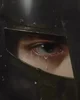
Ibrar Swordsmith did not remember returning to the Kingdom. He did not remember leaving the battlefield. He did not remember anything beyond the roar of voices as they descended down toward the fight. Reinforcements, they were, apparently the safest of the lot, coming through to pick off the already injured and defeated men left. What they instead faced was sun blinding through their helmets, a battalion not yet defeated and less than half the men promised.
He'd heard tales of fire, a common fighting tactic used by the tribes. That they would walk through it, breath it out and reduce mighty forests to ash. He did not think it true until he was faced with it himself. Until walls of flames consumed men as easily as it consumes paper, sending the rest scattering to the rivers or to higher ground. He'd clambered onto rocks where the flames had nothing to consume.
They lost, or so he heard. His battle was the final one in the war, the last nail in the coffin before one of the noble girls was shipped off to the mountain tribes to be a bride, or slave. He didn't care to know. He lay on his side, back torn to shreds and arms limp with fatigue. The palace courtyard had become a makeshift hospital, though the nobles were constantly trying to get it moved to the outskirts of the city, where the soldiers and citizens could be forgotten by them. As it was, their home was assaulted now by the sound of screams and wails as nurses, barely trained, rushed to help and aid them. It was common knowledge this was not a place to return to what you once were. This was a place to crawl, hand over hand, and hope you survive.
No, Ibrar did not remember much, beyond you.
You had tended to him on his first day here, when the pain became so bad he was blinded. Your hands were always cool, somehow, even when tending to so many burning, injured bodies. They pressed salves and bandages into his wounds and stopped bleeding that would have killed him. He'd heard you with other men too, men without limbs or honour, telling them how much you admired their courage until they felt like men again. Like soldiers. You'd said similar to him, and he'd been fool enough to believe it meant more to him.
Maybe it did, when you collapsed into a chair beside his bed every break and when you always took care not to nick his cheeks when shaving. When you smoothed back his hair when he cried or kissed his cheeks when they changed bandages.
When he was well enough to be sitting, when his arms had life in them again, he made sure to return the favour.
"Sit, sit." He said, grasping the edge of your apron and tugging. "You have not stopped since morning light and it reaches evening." Having successfully pulled you down, he fed you bites from his gruel until he saw the colour back in your cheeks. "Your hands shake with exhaustion." He tutted.
He wished he could bring you back to his hometown. Letters had been trickling through, telling him who had lived and who had died. He could well see you there.