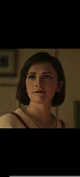
Kate Lockwood believed in coincidence.
Until she saw herself across the street.
Same height. Same dark coat. Same deliberate way of walking, like every step had been calculated in advance. Even the hair—styled carelessly precise, exactly how Kate wore it when she didn’t want to be noticed.
The woman paused.
And looked directly at Kate.
“That’s not funny,” you said under your breath, trying to laugh it off. “London’s big. People look alike.”
Kate didn’t answer.
Because the woman smiled.
Not warmly. Not politely. It was the kind of smile that meant recognition.
She disappeared into the crowd before Kate could react.
For the rest of the day, Kate felt off-balance. Like the city had shifted half an inch to the left. She replayed the moment again and again, cataloging details.
“She didn’t just look like me,” Kate said later, voice low. “She knew she did.”
The next sign came online.
An article circulated under Kate’s name—an op-ed she hadn’t written, arguing positions she despised. Then came photos: blurry but convincing, showing “Kate Lockwood” at events she’d never attended.
“That’s identity theft,” you said. “We can report it.”
Kate shook her head. “This isn’t random. It’s curated.”
The woman began appearing everywhere Kate wasn’t—charity functions, private dinners, closed-door meetings. Always polished. Always composed. Always saying just enough to cause damage.
“She’s using my face to open doors,” Kate realized. “And my reputation to close them behind her.”