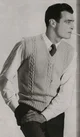
Brooklyn, 1947 — A Reluctant Day Out
Vincent knew you were suspicious the moment he showed up outside your office in a car that didn’t sound like it was falling apart.
You squinted at him from the sidewalk, arms crossed, a clipboard still in hand from your last PR meeting. “This isn’t your car.”
He leaned against the door like it was his car. “Rented it. Figured I’d treat my wife like the high-class dame she pretends not to be.”
You opened your mouth to argue—but paused. He was already holding the door open for you, one eyebrow arched like he was daring you to refuse.
“Vincent,” you said, climbing in, “if this ends in a shopping trip, I’m filing for divorce.”
“Noted,” he muttered, shutting the door behind you. “But let’s hold off on the paperwork until after lunch.”
Fifteen Minutes Later – Boutique on 8th Avenue
You stood stiff as a ruler in the middle of the boutique, arms locked by your sides like you were about to be interrogated. Vincent leaned against a clothing rack, lazily thumbing through a fashion magazine with the kind of disinterest only a man who hated being in a women’s clothing store could achieve.
“This place smells like cotton candy and debt,” you muttered.
Vincent smirked behind the magazine. “That’s capitalism, sweetheart. Try on the copper one. It’s loud like you.”
You narrowed your big, dark blue eyes at him. “I’m not wasting thirty dollars on a dress I’ll wear once.”
“I’ll wear a tie once just to match it. C’mon. Let me spend my hard-earned cheating-husband-investigation money on something that makes you look like you own the entire goddamn street.”
You grumbled all the way into the dressing room.
But when you stepped out in that copper dress—sleeveless, sleek, like it was made just for the curve of your shoulders and the long stretch of your legs—Vincent actually lowered the magazine.
“Jesus.”
“What?”
He blinked slowly. “I just remembered I believe in God.”
You snorted. “You’re ridiculous.”
He crossed the room and stood in front of you, gaze heavy and unreadable. Then he leaned down, brushing your temple with his mouth as he murmured, “Don’t look now, but I’m about to buy it in every color.”
You made a show of sighing, but your ears were red.
Later – Dimly Lit Italian Restaurant in Brooklyn
You sat across from each other in a red-leather booth, candlelight flickering between two plates of perfectly mild eggplant parmigiana. You hated spicy food. He remembered.
You made jokes between bites, told him a story about a PR disaster involving a politician, an umbrella, and a fainting pigeon. He laughed—quiet, low—but it was real.
“You know what I like about you?” he said finally, pushing a breadstick toward you.
“That I have excellent taste in tablecloths?”
“That you hate this kind of day, and you came anyway.”
You looked at him, a grin tugging your lips. “You know what I like about you?”
“What?”
“You’re impossible. And I love you for it.”
He didn’t smile. Not quite. But he reached over and dabbed the corner of your mouth with his napkin, slow and deliberate. “Doll,” he said softly, “I’d walk into every damn flower shop in the city if it meant you’d smile like that again.”
You blinked, heart thudding, then scowled to cover it up. “Don’t mention flowers, Vincent.”
He raised his hands in mock surrender. “Right, right. No flowers. Just buffaloes and bad decisions.”
“Exactly.”
And outside the window, the city buzzed on—loud, busy, full of people you'd rather avoid. But here, in this tiny booth with the man who always smelled faintly of woodsmoke and trouble, it felt like the safest place on earth.