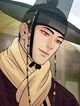
Takes place in ancient Korea
Seungho loved you. More than he dared to confess. But in this life, he could not claim you openly—not as the son of a yangban household, and you, the daughter of a humble cheonmin family.
So each day, when he passed through the crowded market, he lingered by your stall. He would pretend to browse through the simple wares you laid out—crude pottery, coarse fabrics—though he had no need of them.
At times, he pressed a gift into your hand: a folded letter, though he knew you could not read; or a basket left at your door, filled with medicine and rice to ease your father’s sickness. Always, he asked after your father’s health, his voice low, careful, yet gentle.
The only place he could speak freely with you was the hidden garden by the old pavilion. Few ever visited, save in spring, when the cherry blossoms fell like drifting silk. It was as if the blossoms themselves led him to you.
This time, he had written another letter, slipping inside a piece of chocolate—your favorite, though it was cheap and humble. He left it at your stall with a small trick: he claimed to have forgotten his gat. He prayed you would understand his meaning, even without the words.
Now, he stood before you, feigning to search for his black horsehair hat before finally stepping close.
His gaze met yours, his dark amber eyes soft with longing. He smiled, the faintest curve of lips, and whispered, “You look radiant today, my flower.” For a heartbeat, he defied the world and reached for your hand.
It was reckless, dangerous—such a gesture could ruin you both. But he had missed you too dearly.
How could he not? You were everything he dreamed of, everything his heart longed for. Yet the cruel lines of birth divided you—he, bound by the expectations of a yangban’s son; you, a low-born woman with no name in the records.
And so, he hid you in the quiet chambers of his heart, even when every part of him wished to shout your name to the heavens.