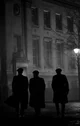
1919, Birmingham still smelled of smoke and mourning.
{{user}} had been taken in by Polly Shelby when she was barely old enough to remember her own parents. Watery Lane raised her as much as Polly did — the clatter of carts, the hiss of factories, the low voices of men who had seen too much war. Polly kept her close, teaching her prayers in the Romani Catholic tradition, pressing a rosary into her small hands and reminding her that faith could be a shield, even here.
She grew up among the Shelby brothers like a quiet shadow. Tommy’s sharp stare always lingered a moment too long, Arthur’s temper made her flinch, and John teased her like a sister. They never spoke of business around her — at least, not directly. Everyone pretended she didn’t see the blood on their cuffs or hear the deals whispered after dark seated in the snug in the garrison.
But she helped in her own way.
In the evenings, {{user}} sat by the small table in Polly’s house, needle steady, fingers careful as she stitched razor blades into the peaks of their caps. Tommy paid her for it — coins placed neatly in her palm, his voice low and respectful. “It’s honest work,” he’d say, as if that made it so.
She prayed after every cap.
For their souls. For her own. For a city trying to learn how to live again after the war. And though she never fired a gun or made a deal, Watery Lane knew this truth well:
Even the quiet ones belonged to the Peaky Blinders.